



Function
Ebba Suede Leather Black/Black City Comfort: Quebra da palmilha de cortiça na primeira semana, ajuste das tiras e notas de caminhada em piso duro | BIRKENSTOCK Everyday Walk
Why the First Week Matters with the Ebba Suede Leather Black/Black City Comfort
You just unboxed your BIRKENSTOCK Ebba Suede Leather Black/Black City Comfort. The suede feels soft, the cork footbed looks firm, and the straps are ready to be adjusted. The first week is when the shoe starts to become yours. This isn't about instant perfection. It's about small daily changes that add up to a fit that feels natural on city streets, home floors, and weekend trips. The Ebba is a closed-toe suede shoe with a cork footbed, and it rewards a little patience. Here's what to expect day by day.
Days 1–2: Getting to Know the Cork Footbed
When you first slide your foot into the Ebba, the cork footbed will feel firm and slightly cool. That's normal. BIRKENSTOCK cork footbeds are designed to mold to your foot over time, but they don't do it in one wear. On day one, wear them around the house for 20–30 minutes. You'll notice the raised arch and the deep heel cup. Your foot may need to adjust if you're used to softer, foam-based insoles. Don't force it. Let your foot rest in the footbed and feel where the contours hit. The suede leather upper is already soft, so there's no stiff break-in there. The main event is the cork.
On day two, try a short walk outside—maybe to the mailbox or around the block. Keep it under 30 minutes. The cork will begin to warm up and slightly compress under your weight. You might feel a gentle pressure under your arch, which is a sign the footbed is starting to respond. If you feel sharp pain, stop and check your strap fit. The Ebba has adjustable straps, and a too-tight strap can make the footbed feel harder than it is.
Days 3–4: Dialing In Strap Fit
The Ebba Suede Leather Black/Black City Comfort comes with adjustable straps across the instep and around the ankle. Getting these right is key to a good first week. Here's how to do it: loosen both straps completely. Slide your foot in and push your heel back into the heel cup. Then tighten the instep strap until it's snug but not tight—you should be able to slip one finger under it. Do the same for the ankle strap. The goal is to keep your foot from sliding forward, but not to cut off circulation.
On day three, wear them for an hour or two around the house. Pay attention to any pressure points. If the top of your foot feels pinched, loosen the instep strap one notch. If your heel lifts, tighten the ankle strap slightly. The suede will stretch a little with wear, so it's better to start slightly snug than too loose. By day four, you should be able to wear them for a short errand. The cork footbed will start to feel less foreign and more supportive.
Days 5–7: Walking on Hard Floors
Hard floors—tile, concrete, hardwood—are where the Ebba's cork footbed shows its value. Unlike soft foam, cork doesn't bottom out. It provides a firm platform that encourages a more natural gait. But your feet may not be used to that at first. On day five, walk on a hard floor for 30–40 minutes. You might feel some fatigue in your arches or calves. That's your muscles adapting to the support. Take breaks if needed.
By day six, try a longer walk—maybe 45 minutes to an hour—on a mix of surfaces. The cork will continue to mold. You may notice the footbed feels slightly warmer and more contoured. That's the cork responding to your body heat and weight. On day seven, you should be able to wear the Ebba for a full day of light activity. The footbed won't be fully molded yet—that takes a few weeks—but the initial break-in is done. The suede upper will have softened and stretched slightly, and the straps will have settled into their ideal positions.
How the Cork Footbed Changes Over Time
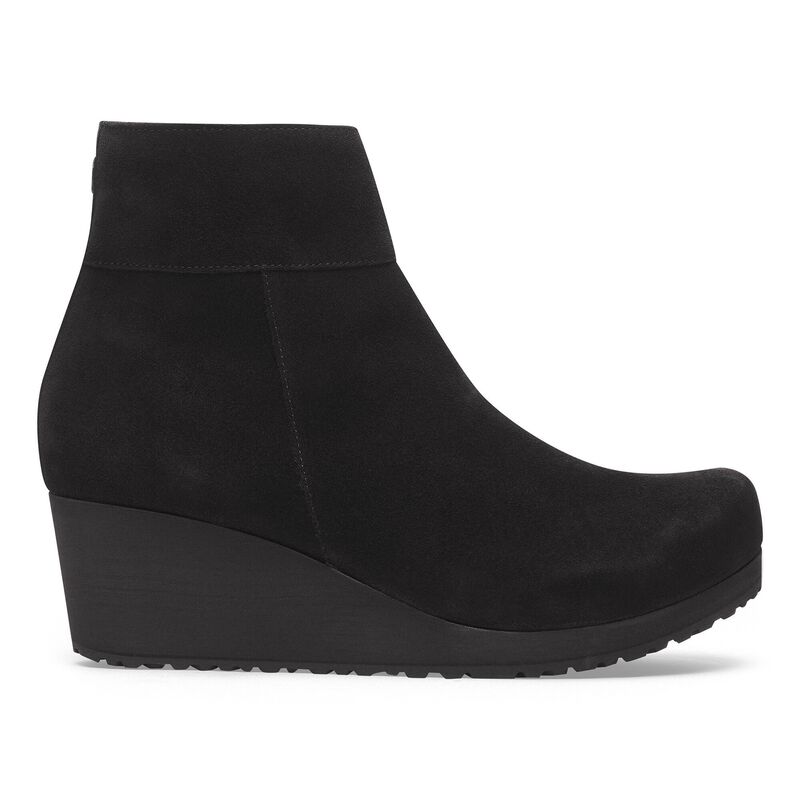
BIRKENSTOCK cork footbeds are made from a mix of cork and latex. They're flexible but resilient. During the first week, the cork compresses in the areas where you put the most pressure—usually the heel and the ball of your foot. The arch support becomes more pronounced as the cork rises around your arch. The heel cup deepens slightly, holding your heel in place. This molding process is why BIRKENSTOCK recommends wearing your new shoes for short periods at first. If you wear them for eight hours on day one, you might end up with sore feet and a false impression that the shoe doesn't fit.
The Ebba Suede Leather Black/Black City Comfort is available in several colors: Roast, Black/Black, Warm Sand, Berry Crush, and Dark Tea. Each color uses the same suede leather and cork footbed, so the break-in experience is consistent across the range. The Black/Black version is particularly versatile for city wear because it pairs with almost anything and hides scuffs well.
Strap Fit Tips for Different Foot Shapes
If you have a high instep, you may need to loosen the instep strap more than you expect. The suede will stretch, but starting too tight can cause discomfort. If you have a narrow foot, you might need to tighten the straps more than usual. The Ebba is available in a single width for this model, but the adjustable straps accommodate a range of foot volumes. For wide feet, keep the straps on the looser side to avoid pressure on the sides of your foot. Remember that the cork footbed will also mold to your foot's width over time, creating a more custom fit.
One common mistake is overtightening the ankle strap to prevent heel slip. Instead, focus on the instep strap first. It should hold your foot back in the heel cup. If your heel still slips, then tighten the ankle strap a little. The goal is to keep your foot stable without creating pressure points.
Walking on Hard Floors: What to Expect
Hard floors are unforgiving. They don't absorb shock like grass or carpet. That's why a supportive footbed matters. The Ebba's cork footbed distributes pressure more evenly than a flat shoe. But during the first week, your feet may feel tired after walking on hard surfaces. This is normal. Your muscles are working differently. To ease the transition, alternate between the Ebba and your old shoes. Wear the Ebba for a few hours, then switch. By the end of the week, you should be able to wear them for longer periods on hard floors without discomfort.
If you stand for long periods, consider wearing the Ebba around the house on hard floors first. The repetitive motion of walking on tile or wood will help the cork mold faster. Just remember to keep the sessions short at first. Ten minutes here, twenty minutes there. The cork needs time to warm up and adapt.
Cleaning and Care During Break-In
Suede leather is durable but needs a little care. During the first week, avoid wearing your Ebba in wet conditions. If they get dirty, brush off dust with a soft suede brush. Don't use water or harsh cleaners. The cork footbed can be wiped with a damp cloth if needed, but keep it dry. Moisture can affect the molding process. If your feet sweat a lot, consider wearing thin socks during the first week to keep the suede clean and the footbed dry. The Ebba is designed to be worn with or without socks, but socks can make the break-in period more comfortable for some people.
When to Know You're Through the Break-In
After about a week of consistent wear, you'll notice the Ebba feels different. The footbed will have a slight impression of your foot. The suede will have softened and maybe stretched a bit. The straps will stay where you put them. You'll be able to walk on hard floors for an hour or more without thinking about your feet. That's when you know the break-in is complete. From there, the shoe will continue to mold and become even more comfortable over the next few weeks. The Ebba Suede Leather Black/Black City Comfort is a shoe that gets better with time. Give it that first week, and you'll be rewarded with a fit that feels made for you.
View this BIRKENSTOCK style in the shop
People also search
BIRKENSTOCK Gizeh thong sandal vs Arizona two strap
BIRKENSTOCK men women unisex sizing how to choose
do BIRKENSTOCK sandals run small or large
BIRKENSTOCK Boston taupe suede outfit ideas
BIRKENSTOCK sandals for sightseeing Europe cobblestones
BIRKENSTOCK Boston vs Milano which for commute
BIRKENSTOCK Arizona white vs black everyday wear
are BIRKENSTOCK cork footbed sandals good for all-day walking
BIRKENSTOCK Arizona metallic vs classic leather
how long to break in BIRKENSTOCK cork footbed
BIRKENSTOCK Ebba Suede Leather Black/Black City Comfort sizing and width fit
BIRKENSTOCK Arizona oiled leather darkens over time
BIRKENSTOCK Arizona for men first pair guide
BIRKENSTOCK Arizona mocha vs dark brown
BIRKENSTOCK Boston break in time first week
BIRKENSTOCK oiled leather clog care rain and commute
best BIRKENSTOCK for airport travel and long flights
how to break in BIRKENSTOCK Ebba Suede Leather Black/Black City Comfort cork footbed
BIRKENSTOCK Arizona last chance colors worth buying
do BIRKENSTOCK sandals work without socks
BIRKENSTOCK arch support sandals for sightseeing
BIRKENSTOCK Arizona regular width vs wide fit guide
best BIRKENSTOCK for weekend travel packing
BIRKENSTOCK Arizona two strap too loose how to tighten
best BIRKENSTOCK for backyard home and errands
BIRKENSTOCK footbed technology cork and latex
how to choose BIRKENSTOCK width letter R or N
best BIRKENSTOCK clog for indoor and outdoor
BIRKENSTOCK soft footbed vs original footbed difference
how to know BIRKENSTOCK size from foot length
Trending BIRKENSTOCK searches
Boston vs Kyoto
arch support sandals
Ebba Suede Leather Black/Black City Comfort Birko-Flor
BIRKENSTOCK city walking
two strap sandal
BIRKENSTOCK unisex sizing
BIRKENSTOCK cobblestone walking
BIRKENSTOCK last chance
BIRKENSTOCK Madrid sandal
BIRKENSTOCK Milano
oiled leather clog care
BIRKENSTOCK original footbed
Arizona vs Madrid
BIRKENSTOCK oiled leather
BIRKENSTOCK soft footbed
BIRKENSTOCK travel sandals
BIRKENSTOCK taupe suede
BIRKENSTOCK EVA sandals
thong sandal Gizeh
BIRKENSTOCK vegan Birko-Flor