



Function
Edição 250 Anos Blue Footbed Trail Easy: Primeira Semana de Adaptação da Cortiça e Notas de Caminhada na Cidade | BIRKENSTOCK Everyday Walk
Why the 250 Anniversary Edition Blue Footbed Trail Easy Feels Different on Day One
The 250 Anniversary Edition Blue Footbed Trail Easy arrives looking crisp, but the real story starts under your feet. That blue footbed is cork, and cork does not care about your schedule. It responds to warmth, weight, and the way you actually walk. On day one, expect a firm surface with a slight rise under the arch and a heel cup that feels more defined than a standard sneaker insole. This is not a marshmallow. It is a walking tool that gradually takes your shape. The Trail Easy build keeps the upper simple and adjustable, so the first week is less about fighting the shoe and more about letting the cork read your stride.
If you are used to soft foam, the first ten minutes may feel unusual. That is normal. Cork is dense, and the 250 Anniversary Edition Blue Footbed Trail Easy uses that density to support rather than sink. Walk around your home for twenty minutes before you commit to a full day out. This gives the cork a chance to warm up and start its slow impression. By day three, most people notice the footbed feeling less like a generic insert and more like a map of their own foot.
Strap Fit: How to Adjust the Trail Easy Without Overthinking It
The Trail Easy upper uses straps, and strap fit is where most first-week discomfort gets solved or created. Start with the strap across your instep. It should hold your foot without pinching. You want enough tension that your heel does not lift when you walk, but not so much that the strap leaves a mark after five minutes. A good test: slide one finger under the strap. If it slides easily, you are probably too loose. If your finger barely fits, you are likely too tight.
Next, check the strap near your toes. This one controls how much your foot slides forward. On hard floors, a loose toe strap lets your foot pitch forward and jam your toes into the front. Tighten it until your foot stays put, then loosen it a quarter turn. The 250 Anniversary Edition Blue Footbed Trail Easy is designed to be adjusted on the fly, so carry that small adjustment into your first few walks. Your feet swell slightly during the day, and what felt perfect at 8 a.m. may feel restrictive by 4 p.m. That is not a defect. It is a cue to use the straps.
Walking on Hard Floors: What Changes in the First Week
City sidewalks, grocery store tile, and home hardwood are unforgiving. They send every impact straight up your legs. The cork footbed in the 250 Anniversary Edition Blue Footbed Trail Easy helps by spreading pressure across a wider area, but it cannot erase hard floors entirely. In the first week, shorten your walks. Instead of a two-hour museum loop, do forty minutes. Instead of standing all day in the kitchen, take breaks. Cork needs recovery time between wears, especially early on.
You will notice the heel cup first. On hard floors, a deep heel cup keeps your heel from rolling inward or outward, which reduces the small corrections your ankles make with every step. The arch support becomes more obvious after twenty minutes, when the cork has warmed and softened slightly. If the arch feels aggressive, do not panic. Wear the Trail Easy for shorter periods and build up. The footbed will compress where you need it to, and the pressure will even out.
Break-In Timeline: Days 1 Through 7
Day 1: Wear them indoors for twenty to thirty minutes. Stand, walk to the kitchen, walk back. Pay attention to the strap across your instep. Adjust it once. Do not tighten everything at once.
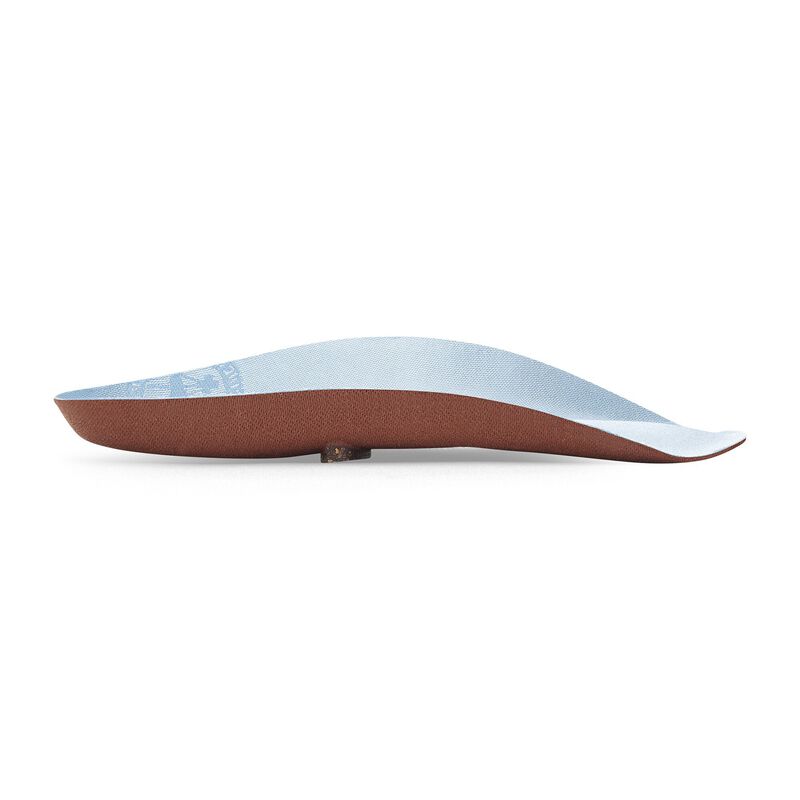
Day 2: Wear them for a short errand. A ten-minute walk to the mailbox or around the block. The cork will start to feel slightly warmer and more forgiving under your heel. You may see a faint outline of your foot on the footbed. That is the cork beginning to take shape.
Day 3: Try a hard-floor environment you know well, like a grocery store. Keep the trip under thirty minutes. Check your toe strap halfway through. If your toes are touching the front, loosen the instep strap slightly and tighten the toe strap. The goal is a neutral position, not a tight grip.
Day 4: Rest day or light wear only. Cork benefits from time to cool and set. If you wear the Trail Easy every day without a break, the footbed may stay too soft and lose some of its support.
Day 5: A longer walk, maybe forty-five minutes on pavement. Notice how the heel cup feels. Most people find it more comfortable by now because the cork has started to mirror their heel shape.
Day 6: Wear them for a mix of surfaces: sidewalk, tile, carpet. The 250 Anniversary Edition Blue Footbed Trail Easy should feel less like a new shoe and more like a familiar one. Straps may need a small tweak after your feet warm up.
Day 7: Evaluate. If you have any hotspots, check the straps again. If the arch still feels sharp, give it another week of shorter wears. Cork break-in is not a race.
Why the Blue Footbed Matters for Hard Surfaces
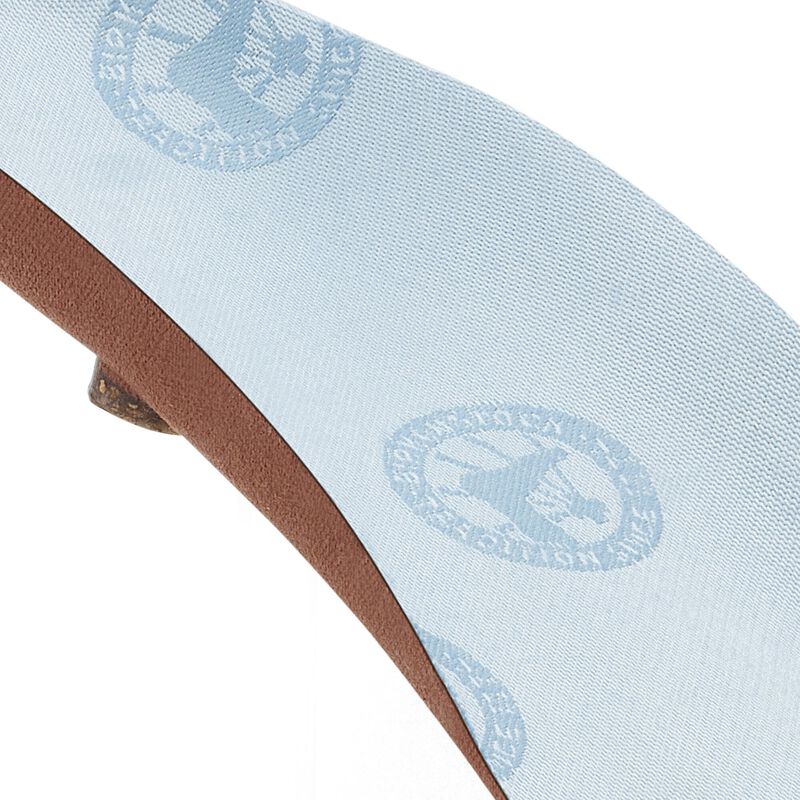
The blue footbed is not just a color choice. In the 250 Anniversary Edition Blue Footbed Trail Easy, it signals a specific cork formulation that balances cushioning and support. On hard floors, that balance is critical. Too soft, and your foot sinks into a bad position. Too hard, and every step feels like concrete. The cork here is dense enough to hold its shape but responsive enough to adapt. You will feel it most in your arch and heel, where the footbed contours to your anatomy over the first week.
Another detail: the footbed is removable. If you need to clean it or let it air out, you can. That also means you can check the wear pattern. After a week, look at the heel and forefoot areas. A slight depression is normal. Deep gouges are not. If you see deep compression in one spot, your straps may be too loose, causing your foot to slide and pound the same area.
Strap Fit for Different Foot Shapes
Wide feet: Start with the straps at their loosest setting. The 250 Anniversary Edition Blue Footbed Trail Easy has a roomy toe box, but the straps control the volume. If your foot feels cramped, loosen the instep strap first, then the toe strap. You may need to size up if your toes touch the front even when the straps are loose.
Narrow feet: You will likely need to tighten the instep strap more than you expect. The heel should stay locked in. If your heel slips, tighten the instep strap one notch and test again. The toe strap can stay moderate. Avoid overtightening, which can cause pressure points on the top of your foot.
High arches: The cork footbed will feel supportive immediately, but the arch may feel intense for the first few days. Wear them in short sessions. The cork will gradually give where your arch needs less pressure. Do not try to force a full day on day one.
Flat feet: You may feel the arch more than you are used to. That is the footbed doing its job. Start with fifteen-minute wears and increase slowly. The cork will adapt to your foot, but it needs time.
Hard Floor Tips for the First Week
If you work on concrete or tile, bring the Trail Easy into your routine gradually. Wear them for the first half of your shift, then switch to your usual shoes. Or wear them for the last hour when your feet are already warm. Cork responds to heat, so a warm foot helps the break-in move faster.
At home, try standing on a mat instead of bare hardwood for the first few days. The mat gives the cork a break from constant hard impact. If you must stand on hard floors, shift your weight from foot to foot and take micro-breaks. The 250 Anniversary Edition Blue Footbed Trail Easy is supportive, but no footbed can replace movement.
Keep your feet dry. Cork does not like prolonged moisture. If your feet sweat, let the footbed air out overnight. A little foot powder can help, but do not soak the footbed. Wipe it with a damp cloth and let it dry away from direct heat.
When to Tighten, When to Loosen
Your straps will need attention throughout the first week. Here is a simple rule: if your foot slides forward when you walk, tighten the toe strap. If the top of your foot feels pressure, loosen the instep strap. If your heel lifts, tighten the instep strap. If you feel a pinch on the sides, loosen both straps slightly and start again. The 250 Anniversary Edition Blue Footbed Trail Easy is forgiving, but it relies on you to dial in the fit.
After the first week, you will likely find a setting that works for most days. Keep in mind that socks change the fit. Thin socks require tighter straps. Thick socks require looser straps. If you switch between socks, expect to adjust.
What to Expect After the First Week
By day seven, the cork footbed should show a faint impression of your heel and forefoot. The arch will feel less like a foreign object and more like a natural part of the shoe. Walking on hard floors will still be firmer than a foam sneaker, but the support will make longer stands more tolerable. The straps will have stretched slightly, so you may need to tighten them one notch.
The 250 Anniversary Edition Blue Footbed Trail Easy is not a magic pill for hard floors. It is a well-made shoe with a cork footbed that rewards patience. Give it a week of short, consistent wear. Adjust the straps as your feet change. Let the cork do its job. By the end of the first week, you will understand why cork has been the foundation of BIRKENSTOCK comfort for decades.
View this BIRKENSTOCK style in the shop
People also search
best BIRKENSTOCK sandals for standing all day at work
BIRKENSTOCK Arizona vs Boston which is better for walking
how to choose BIRKENSTOCK width letter R or N
BIRKENSTOCK arch support sandals for sightseeing
BIRKENSTOCK Birko-Flor vs leather which lasts longer
BIRKENSTOCK Boston vs Milano which for commute
BIRKENSTOCK sandals lightweight hiking light trails
BIRKENSTOCK Arizona vs Milano for ankle support
best BIRKENSTOCK for weekend travel packing
BIRKENSTOCK suede vs nubuck which scuffs less
BIRKENSTOCK sandals for plantar comfort walking
BIRKENSTOCK Boston clog with socks in cold weather
BIRKENSTOCK Boston suede water stains how to clean
BIRKENSTOCK footbed sandals break-in no blisters
BIRKENSTOCK cork footbed squeak how to fix
BIRKENSTOCK Boston shearling vs regular Boston
BIRKENSTOCK Gizeh regular vs platform
BIRKENSTOCK sandals waterproof options EVA
BIRKENSTOCK kids vs adult sizing for small feet
BIRKENSTOCK Arizona vs Super-Birki garden clog
BIRKENSTOCK Arizona Big Buckle vs classic Arizona
how long to break in BIRKENSTOCK cork footbed
how often to replace BIRKENSTOCK cork footbed
BIRKENSTOCK Arizona outfit with linen summer clothes
are BIRKENSTOCK sandals good for cobblestone city streets
BIRKENSTOCK Mayari toe loop vs Gizeh fit
how to stop heel slipping in BIRKENSTOCK Arizona
BIRKENSTOCK Milano ankle strap vs Arizona stability
best BIRKENSTOCK for backyard home and errands
BIRKENSTOCK Arizona white vs black everyday wear
Trending BIRKENSTOCK searches
BIRKENSTOCK new colors
250 Anniversary Edition Blue Footbed Trail Easy cork footbed
BIRKENSTOCK Boston clog
BIRKENSTOCK 2026 trends
BIRKENSTOCK cobblestone walking
BIRKENSTOCK airport shoes
BIRKENSTOCK Big Buckle
BIRKENSTOCK tobacco leather
BIRKENSTOCK EVA sandals
BIRKENSTOCK city walking
BIRKENSTOCK Arizona
break-in cork footbed
Boston vs Kyoto
BIRKENSTOCK Gizeh
250 Anniversary Edition Blue Footbed Trail Easy oiled leather
BIRKENSTOCK travel sandals
BIRKENSTOCK shearling Boston
BIRKENSTOCK platform Arizona
BIRKENSTOCK black Arizona
BIRKENSTOCK Madrid sandal