



Function
Tokio II Natural Leather Black Dressy Leather Walk Edit: First-Week Break-In, Strap Fit, and Hard-Floor Walking | BIRKENSTOCK Everyday Walk
Why the Tokio II Feels Different From Day One
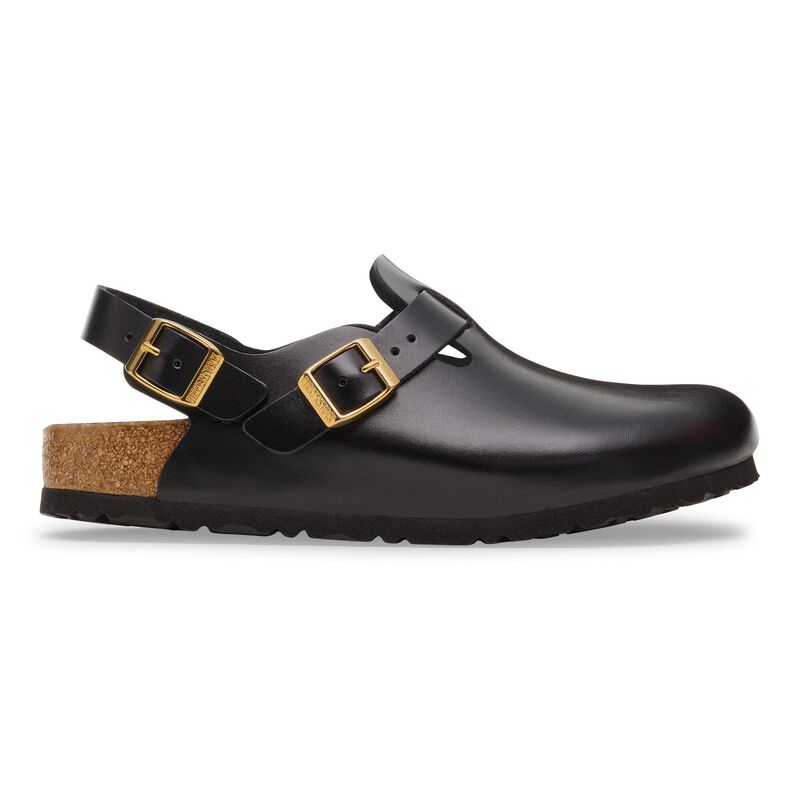
The Tokio II is a closed-toe BIRKENSTOCK with a backstrap, and that changes how you approach the first week. Unlike a slip-on Arizona or a Boston clog, the Tokio II asks you to think about heel security and forefoot room at the same time. In Black Dressy Leather, the upper starts smooth and slightly taut, while Oyster Dressy Leather has a lighter, softer visual tone but the same structured feel. The cork footbed underneath is the constant: it will not mold to your foot overnight, and it should not have to. The first week is about letting the cork begin to respond to your gait while you fine-tune the straps. If you have worn BIRKENSTOCK before, you know the drill. If this is your first closed-back pair, pay attention to the heel strap and the two buckles across the instep. They are your main adjustment points.
Day 1 to Day 3: The Cork Footbed Starts to Talk
When you first slide into the Tokio II, the cork footbed feels firm—almost unyielding under the heel. That is normal. The cork is mixed with latex and pressed into a contoured shape, and it needs body heat and pressure to begin adapting. For the first three days, wear them for short stretches: a morning errand, a walk to the mailbox, an hour around the house. You are not trying to break them in by force. You are introducing your weight to the footbed. The heel cup will feel shallow at first. The arch will feel pronounced. By day three, you may notice a slight give under the ball of your foot. That is the cork starting to compress where you push off. Keep the straps at their factory setting for now. Adjusting too early can mask how the footbed is settling.
Day 4 to Day 7: Strap Fit and the Hard-Floor Test
By the fourth day, the leather upper in Black Dressy Leather will have warmed up enough to flex with your foot. Oyster Dressy Leather shows creasing a little more visibly because of its lighter color, but the fit behavior is the same. Now is the time to revisit the instep strap. You want it snug enough that your heel does not lift when you walk, but loose enough that you can slide a finger under the strap. The backstrap should sit flat against your Achilles, not dig in. If you feel pressure on the top of your foot, loosen the buckle one notch. If your foot slides forward, tighten it. Then take them onto hard floors—tile, concrete, hardwood. Hard floors expose every flaw in fit because there is no give underfoot. Walk slowly. Listen to the cork. A properly adjusted Tokio II should feel stable, not stiff. The footbed will still be firm, but your foot should not be fighting the shoe.
Walking on Hard Floors: What to Expect
Hard floors are the real test for any cork footbed. Unlike carpet or grass, they send impact straight up through the shoe. In the first week, the Tokio II will feel unforgiving on tile and concrete. That is not a defect; it is the nature of a firm cork footbed that has not yet molded. You can make it easier by taking shorter strides and landing more midfoot than heel. The contoured arch will start to support you rather than press against you. If you stand for long periods, shift your weight from side to side to encourage the cork to adapt evenly. The Black Dressy Leather and Oyster Dressy Leather uppers are both smooth and will not stretch much, so the footbed does most of the work. Give it a full week of consistent wear, and you will feel the difference on hard surfaces.
Width and Volume: Getting the Right Size
The Tokio II comes in BIRKENSTOCK's regular width, which fits medium to wide feet. If you have narrow feet, you may need to tighten the instep strap more than usual, or consider a different style. The closed toe box means your toes should not touch the front. Aim for about a quarter-inch of space between your longest toe and the inside of the toe cap. The heel should sit centered in the heel cup, not hanging off the back. If you are between sizes, go with the larger size for the Tokio II because the closed toe leaves less room for error. Remember that the cork footbed will compress slightly over time, but it will not lengthen. A proper fit from day one is essential.
Break-In Timeline: What a Realistic First Week Looks Like
Day 1: Wear for 1–2 hours indoors. Expect firmness. Day 2: Wear for 2–3 hours, including a short walk outside. Day 3: Wear for half a day. The footbed may start to feel slightly warmer and more accommodating. Day 4: Adjust the instep strap if needed. Walk on a hard floor for 20 minutes. Day 5: Wear for a full day, but take them off if you feel hot spots. Day 6: The cork should begin to show faint impressions of your heel and toes. Day 7: By now, the Tokio II should feel less like a new shoe and more like a shoe that knows your foot. It will still be firm, but the pressure points should have softened. If you have persistent pain, stop and reassess your size or strap tension.
Black Dressy Leather vs. Oyster Dressy Leather
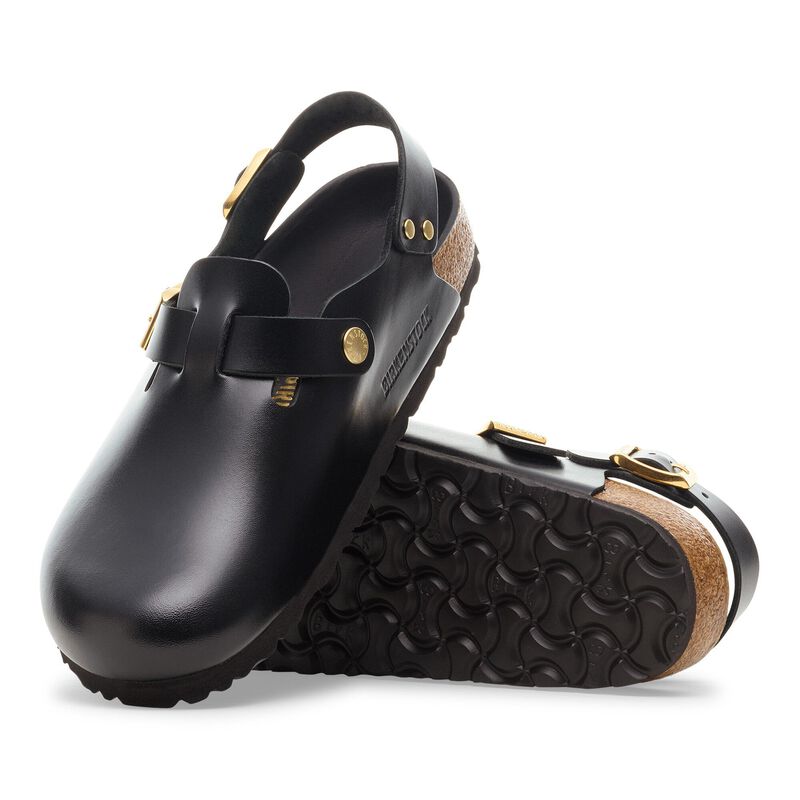
Both colors use the same natural leather construction, but they age differently. Black Dressy Leather hides scuffs and creases well, making it a good choice for daily wear on city streets. Oyster Dressy Leather is lighter and shows more of the leather's natural character—fine lines, slight color variations, and the way the material bends across the instep. Neither is more durable than the other; it is purely a matter of look. For hard-floor walking, the color does not affect fit or break-in. The cork footbed and the strap system are identical. Choose the one that matches your wardrobe and your tolerance for visible wear.
Strap Fit Tips for the Tokio II
The Tokio II has two buckles: one across the instep and one on the backstrap. Start with the instep strap. It should hold your foot securely without creating pressure on the top of your foot. If you have a high instep, you may need to loosen it more than you expect. The backstrap should be adjusted so that your heel stays in the heel cup but your Achilles is not rubbed. A common mistake is overtightening the backstrap to prevent heel slip. That causes blisters. Instead, tighten the instep strap slightly and leave the backstrap comfortable. If your heel still slips, your shoe may be too long. Check the size before you blame the straps.
When to Stop Wearing Them During Break-In
Break-in is not a contest. If you feel sharp pain, numbness, or a burning sensation on the sole of your foot, take the Tokio II off. Redness that fades within an hour is normal. Redness that persists or turns into a blister means something is wrong. The most common culprits are an overly tight instep strap, a shoe that is too small, or wearing them too long on the first day. The cork footbed needs time, but your feet should not suffer. Give yourself permission to alternate the Tokio II with a softer shoe during the first week. By the end of the week, you will have a better sense of whether the fit is right.
Making the Tokio II Work for City Streets and Home Floors
The Tokio II is often described as a dressy clog, but it is also a practical walker for city streets and home floors. The closed toe protects you from scuffs and weather, while the cork footbed gives you the same support as other BIRKENSTOCK styles. On city sidewalks, the firm footbed helps with stability over uneven pavement. At home on hardwood or tile, it encourages a more natural gait if you let it. The first week is the hardest. After that, the Tokio II becomes a reliable pair you can slip on for errands, travel, or just standing in the kitchen. Give the cork time, adjust the straps honestly, and walk on hard floors with intention. That is how you turn a new pair into a daily pair.
View this BIRKENSTOCK style in the shop
People also search
BIRKENSTOCK Arizona oiled leather darkens over time
BIRKENSTOCK Arizona mink vs tobacco oiled leather
are BIRKENSTOCK good for standing cooking at home
BIRKENSTOCK Arizona taupe vs stone vs black which to buy
BIRKENSTOCK footbed sandals for standing on hard floors
BIRKENSTOCK kids vs adult sizing for small feet
how long to break in BIRKENSTOCK cork footbed
BIRKENSTOCK sizing EU to US conversion chart
BIRKENSTOCK Arizona outfit with linen summer clothes
BIRKENSTOCK Gizeh regular vs platform
BIRKENSTOCK footbed sandals break-in no blisters
BIRKENSTOCK suede vs nubuck which scuffs less
BIRKENSTOCK footbed packed out when to replace
best color for BIRKENSTOCK Tokio II Natural Leather Black Dressy Leather Walk Edit everyday wear
BIRKENSTOCK Tokio II Natural Leather Black Dressy Leather Walk Edit sizing and width fit
BIRKENSTOCK sandals for nurses and long shifts
BIRKENSTOCK oiled leather clog care rain and commute
how to stop heel slipping in BIRKENSTOCK Arizona
BIRKENSTOCK Arizona for summer walking all day
how to break in BIRKENSTOCK Tokio II Natural Leather Black Dressy Leather Walk Edit cork footbed
best BIRKENSTOCK for airport travel and long flights
BIRKENSTOCK Gizeh thong sandal vs Arizona two strap
BIRKENSTOCK Boston vs Milano which for commute
BIRKENSTOCK sandals waterproof options EVA
BIRKENSTOCK men women unisex sizing how to choose
are BIRKENSTOCK sandals good for cobblestone city streets
best BIRKENSTOCK sandals for standing all day at work
best BIRKENSTOCK for city walking tour
BIRKENSTOCK Arizona white Birko-Flor scuff care
BIRKENSTOCK Arizona white vs black everyday wear
Trending BIRKENSTOCK searches
BIRKENSTOCK platform Arizona
BIRKENSTOCK cork footbed
BIRKENSTOCK white Arizona
BIRKENSTOCK 2026 trends
BIRKENSTOCK taupe suede
BIRKENSTOCK wide width
BIRKENSTOCK tobacco leather
BIRKENSTOCK Milano
contoured cork-latex footbed
Birkenstock clog socks
BIRKENSTOCK oiled leather
two strap sandal
cork footbed care
BIRKENSTOCK Tokio II Natural Leather Black Dressy Leather Walk Edit
BIRKENSTOCK black Arizona
BIRKENSTOCK vegan Birko-Flor
arch support sandals
BIRKENSTOCK Madrid sandal
BIRKENSTOCK shearling Boston
Tokio II Natural Leather Black Dressy Leather Walk Edit oiled leather