



Function
Bend Low Natural Leather Iron City Comfort: First-Week Break-In, Strap Fit, and Hard Floor Walking | BIRKENSTOCK Everyday Walk
Why the Bend Low Natural Leather Iron City Comfort Feels Different From Day One
The Bend Low Natural Leather Iron City Comfort is not a sneaker that hides its footbed. From the first step, you feel the cork. That is intentional. BIRKENSTOCK builds this low-profile shoe around a cork footbed that starts firm and gradually molds to your foot. The natural leather upper is soft but structured, and the strap across the instep gives you a clear way to adjust fit. In this guide, we focus on the first week: how the cork footbed breaks in, how to get the strap tension right, and what it feels like to walk on hard floors like concrete, tile, and hardwood. If you are used to foam-cushioned shoes, the first few days may surprise you. That is normal. By day seven, most people notice the footbed has started to respond to their weight and gait.
What to Expect From the Cork Footbed in the First Seven Days
Day one: the footbed feels flat and firm. Your arch may not touch it yet. That is because cork needs heat and pressure to begin molding. Wear the Bend Low for short periods—20 to 30 minutes at a time—around the house or on quick errands. Do not stand for hours on day one. Day two and three: the cork starts to warm under your foot. You may feel a slight ridge under your arch. That ridge is the footbed beginning to take your shape. Some people notice a mild pressure point near the heel or the ball of the foot. That is also normal. Day four and five: the footbed becomes noticeably more comfortable. The cork has compressed slightly where you put the most weight, and the leather upper has started to flex with your stride. Day six and seven: the Bend Low should feel like it belongs to you. The arch support is more pronounced, and the heel cup feels secure without being tight. Keep in mind that full break-in can take two to three weeks, but the first week is when the biggest changes happen.
How to Adjust the Strap for a Secure but Comfortable Fit
The Bend Low has a single strap across the instep, and it is your main tool for fit. When you first put the shoe on, loosen the strap completely. Slide your foot in and press your heel back into the heel cup. Then tighten the strap until it touches your foot without pressing hard. You should be able to slide one finger under the strap. If the strap leaves a mark on your skin after a few minutes, it is too tight. If your heel lifts when you walk, it is too loose. During the first week, check the strap tension before each wear. Leather stretches slightly with heat, and the cork footbed compresses, so you may need to tighten the strap a little after a few days. For wide feet, the Bend Low is available in a regular width that accommodates a broader forefoot. If you have narrow feet, the strap can be cinched down more, but do not overdo it—the cork footbed still needs to do its job.
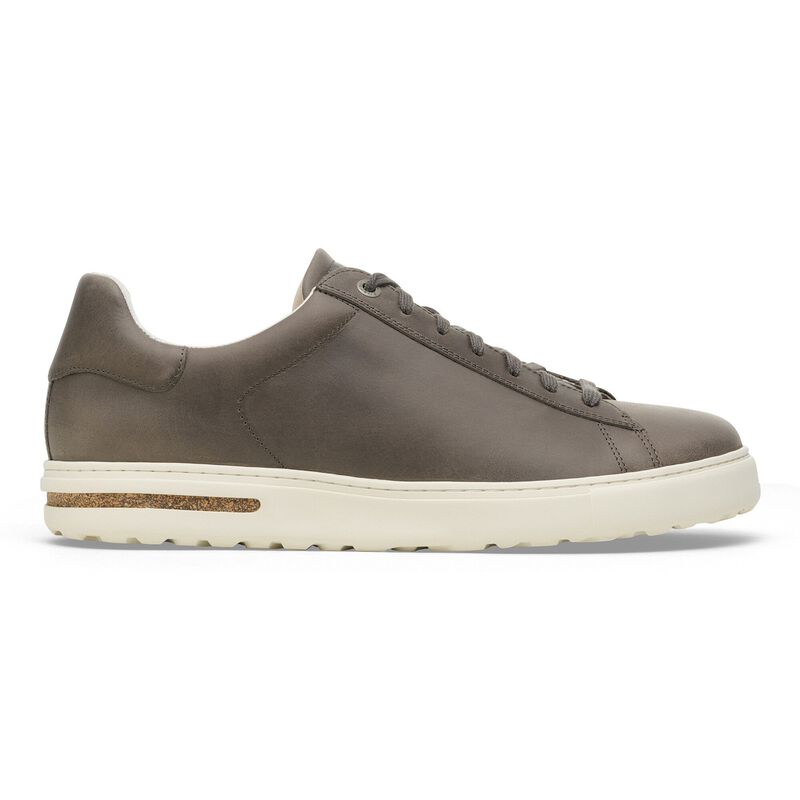
Walking on Hard Floors: What Changes and What Helps
Hard floors—concrete, tile, hardwood, and stone—are unforgiving. They send shock up through your legs, and most sneakers with soft foam mask that shock. The Bend Low does not mask it; it manages it. The cork footbed acts as a semi-rigid platform that distributes pressure across your whole foot instead of just the heel or the ball. In the first week, you may feel more of the floor than you are used to. That is not a defect. It is the footbed teaching your feet to land more evenly. Start with short walks on hard surfaces. If you work on concrete, wear the Bend Low for a few hours, then switch to another shoe for the rest of the day. By day five, you should notice less fatigue in your heels and arches. The natural leather upper also helps because it flexes at the toe box, allowing your foot to roll through each step instead of slapping the ground.
Color Options and How They Fit Into Everyday Wear
The Bend Low Natural Leather Iron City Comfort comes in nine colors: White, Cognac, Light Rose, Metallic Silver, Thyme, Black, Iron, Midnight Blue, and White/Gold. White is clean and casual, good for warm weather and light clothing. Cognac is a warm brown that pairs well with denim and earth tones. Light Rose adds a soft pastel touch without being loud. Metallic Silver is a statement color that works with neutral outfits. Thyme is a muted green that feels earthy and modern. Black is the most versatile and hides scuffs well. Iron is a dark grey that sits between black and brown. Midnight Blue is deep and rich, a good alternative to black. White/Gold combines a white base with gold accents for a dressier look. All colors use the same natural leather upper and cork footbed, so the break-in process is the same regardless of which you choose.
Common First-Week Questions About the Bend Low
Will the footbed feel hard at first? Yes. Cork is firm until it warms and molds. Give it time. Can I wear them all day on day one? You can, but you will likely feel more pressure than if you break them in gradually. Start with a few hours. Do the straps need to be re-tightened? Check them daily for the first week. Leather relaxes slightly, and the footbed compresses, so a small adjustment is normal. What if the arch feels too high? That usually means the footbed has not molded yet. Wear them for shorter periods and let the cork adapt. Should I wear socks? Thin socks can help during the first few days if you feel friction, but many people wear the Bend Low barefoot. The natural leather lining is smooth and breathable. How long until they are fully broken in? Most people feel a significant difference by day seven and full comfort by week three. The key is consistent, moderate wear—not long, exhausting days right away.
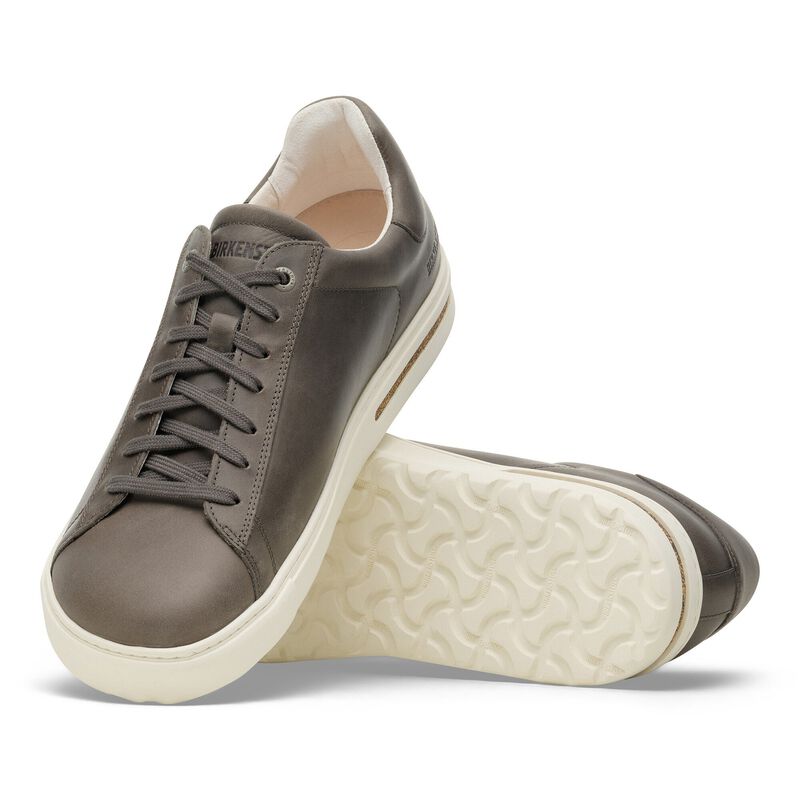
How the Bend Low Compares to Other BIRKENSTOCK Styles
If you know the Arizona or Boston, you know the cork footbed. The Bend Low uses the same principle but in a closed-toe, low-profile silhouette. The Arizona is a two-strap sandal with more airflow. The Boston is a clog with a roomier toe box. The Bend Low is closer to a sneaker in shape, but it does not have a foam midsole. That means the ground feel is more direct. For city streets and hard floors, the Bend Low offers more protection than a sandal because the leather upper covers your foot. For weekend travel, it packs easily and works with casual outfits. If you are looking for a BIRKENSTOCK that transitions from home floors to city sidewalks, the Bend Low is a strong choice. Just give the cork footbed its first week to learn your foot.
Practical Tips for the First Week and Beyond
Rotate the Bend Low with other shoes during the break-in period. This gives the cork time to cool and set. Keep them away from direct heat—do not leave them in a hot car or near a radiator. Clean the natural leather with a soft brush or damp cloth. Do not soak them. If the strap gets dirty, wipe it with a mild leather cleaner. For hard floor walking, take shorter strides and land mid-foot rather than on your heel. This reduces impact and helps the footbed mold evenly. If you feel a pressure point that does not fade after a week, try loosening the strap one notch. Remember that the Bend Low is made to be worn, not pampered. The more you wear it, the better it fits. By the end of the first week, you should feel the cork starting to cup your heel and support your arch. That is the BIRKENSTOCK footbed doing its job.
Final Thoughts on the Bend Low Natural Leather Iron City Comfort
The first week with the Bend Low is a transition. You are moving from a soft, foam-based shoe to a cork-based footbed that asks your foot to work a little. In return, you get better support, less fatigue on hard floors, and a fit that becomes more personal over time. Adjust the strap as needed, start with short wears, and pay attention to how the cork responds. Whether you choose White, Cognac, Light Rose, Metallic Silver, Thyme, Black, Iron, Midnight Blue, or White/Gold, the break-in process is the same. Give it seven days. By then, the Bend Low will feel less like a new shoe and more like your shoe.
View this BIRKENSTOCK style in the shop
People also search
BIRKENSTOCK Boston taupe suede outfit ideas
are backless BIRKENSTOCK clogs good for walking
BIRKENSTOCK Boston suede water stains how to clean
BIRKENSTOCK suede vs nubuck which scuffs less
BIRKENSTOCK sandals lightweight hiking light trails
how long to break in BIRKENSTOCK cork footbed
BIRKENSTOCK sizing EU to US conversion chart
how to choose BIRKENSTOCK width letter R or N
BIRKENSTOCK Boston fit compared to Arizona
are BIRKENSTOCK sandals good for cobblestone city streets
BIRKENSTOCK Arizona vs Boston which is better for walking
how often to replace BIRKENSTOCK cork footbed
are BIRKENSTOCK cork footbed sandals good for all-day walking
BIRKENSTOCK Arizona two strap sandal fit true to size
BIRKENSTOCK footbed sandals break-in no blisters
BIRKENSTOCK wide width sandals for high volume feet
BIRKENSTOCK Arizona for summer walking all day
BIRKENSTOCK Boston vs Milano which for commute
BIRKENSTOCK Mayari toe loop vs Gizeh fit
do BIRKENSTOCK sandals run small or large
BIRKENSTOCK Arizona mocha vs dark brown
BIRKENSTOCK Boston for office casual dress code
how to break in BIRKENSTOCK Bend Low Natural Leather Iron City Comfort cork footbed
best BIRKENSTOCK sandals for standing all day at work
BIRKENSTOCK sandals for nurses and long shifts
how to stop heel slipping in BIRKENSTOCK Arizona
BIRKENSTOCK Arizona mink vs tobacco oiled leather
best BIRKENSTOCK for city walking tour
best BIRKENSTOCK clog for indoor and outdoor
BIRKENSTOCK Arizona oiled leather darkens over time
Trending BIRKENSTOCK searches
BIRKENSTOCK Gizeh
BIRKENSTOCK white Arizona
BIRKENSTOCK Kyoto clog
BIRKENSTOCK vegan Birko-Flor
Boston vs Kyoto
BIRKENSTOCK platform Arizona
BIRKENSTOCK cobblestone walking
BIRKENSTOCK Arizona
cork footbed care
BIRKENSTOCK Bend Low Natural Leather Iron City Comfort
BIRKENSTOCK travel sandals
BIRKENSTOCK Milano
Arizona vs Madrid
Arizona vs Boston
BIRKENSTOCK city walking
BIRKENSTOCK 2026 trends
Bend Low Natural Leather Iron City Comfort Birko-Flor
regular vs wide BIRKENSTOCK
BIRKENSTOCK new colors
BIRKENSTOCK original footbed