



Function
BIRKENSTOCK Arizona Chunky Suede Leather Basalt Gray/ Black Soft Sole: First-Week Break-In, Strap Fit, and Hard-Floor Walking · BIRKENSTOCK Everyday Walk
Your First Week with the BIRKENSTOCK Arizona Chunky Suede Leather
The BIRKENSTOCK Arizona Chunky Suede Leather in Basalt Gray/ Black Soft Sole is a two-strap sandal built on the classic BIRKENSTOCK cork footbed, now with a chunky sole and soft suede leather. This article focuses on what actually happens during the first week: how the cork footbed begins to mold, how to dial in the strap fit, and what it feels like to walk on hard floors like concrete, tile, and wood. No fluff, just practical notes for everyday wear.
You might have chosen the Basalt Gray/ Black colorway—a grounded gray suede with black accents. But the same break-in principles apply across all available colors: Mauve, Taupe, Ochre, Light Rose, Fuchsia Tulip, Gray Taupe, Mocha, Black/Black, Pink Clay, Baby Blue, Zinfandel, Berry Crush, Green Tea, Dark Tea/ Black, Pure Sage, Basalt Gray/ Black, Thyme, Oyster, Pepper, and Taupe Tonal. Each pair uses suede leather and the same cork-latex footbed, so the first-week experience is consistent.
Why the First Week Matters for Cork Footbeds
The BIRKENSTOCK cork footbed is not a slab of foam. It is a blend of cork and latex that responds to heat and pressure. During the first week, your body heat and walking motion cause the cork to gradually soften and take the shape of your foot. This is not a defect; it is the intended break-in. The footbed will feel firm at first, especially under the arch and heel. That firmness is what provides support later. By day three or four, you should notice a slight depression forming under your heel and along the arch. By day seven, the footbed will feel noticeably more custom.
With the Arizona Chunky, the soft sole adds a layer of cushioning under the cork. That means the break-in feels less abrupt than on a classic hard-sole Arizona. The chunky sole absorbs some impact, but the cork still does the anatomical work. Do not expect the footbed to feel squishy like a memory foam shoe. It will remain supportive, just increasingly contoured to you.
Strap Fit: How to Adjust the Two Straps
The Arizona has two straps, each with a metal buckle and multiple holes. Proper fit is critical for comfort during break-in. Here is a practical approach: loosen both straps before you put the sandals on. Slide your foot in so your heel sits centered on the heel cup and your toes have a little room at the front. Then fasten the front strap first. It should hold your foot securely but not pinch. You should be able to slide one finger under the strap without forcing it. The rear strap should be slightly looser than the front—this allows your heel to lift naturally as you walk, which is normal for a backless sandal.
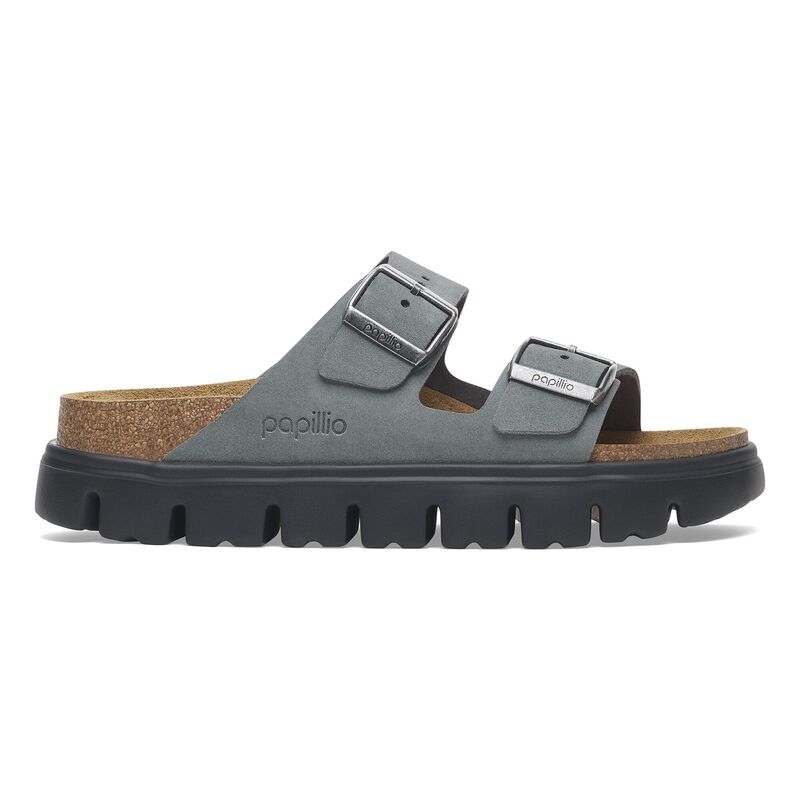
During the first week, recheck the straps daily. Suede leather stretches slightly with wear. What feels snug on day one may feel loose by day three. If the front strap becomes too loose, tighten it by one hole. If you feel pressure points on the top of your foot, loosen the strap. The goal is to keep your foot from sliding around, because friction can cause blisters. Remember that suede is more pliable than smooth leather, so it will conform to your foot shape faster. The Basalt Gray/ Black suede is no exception—it will soften and may darken slightly at high-contact areas, which is normal.
Walking on Hard Floors: What to Expect
Hard floors—concrete, tile, hardwood, and stone—are unforgiving. They send shockwaves up through your feet and legs. The BIRKENSTOCK cork footbed is designed to mitigate that by distributing pressure and supporting your arch. However, during the first week, your feet are not yet used to the firm support. You may feel fatigue in your arches or calves after the first few hours. That is a sign that your muscles are adapting. Start with short walks: 20 to 30 minutes on day one, then increase gradually. Avoid wearing them for a full eight-hour day on concrete right away.
The chunky sole on this Arizona model provides a bit more shock absorption than a standard sole, which helps on hard surfaces. Still, the cork footbed needs time to mold. If you walk on hard floors all day, consider alternating with a more cushioned shoe every other day during the first week. By the end of the week, your feet should feel more accommodated, and the footbed will have started to form that personalized cradle.
Break-In Timeline: Day by Day
Day 1: The sandals feel stiff. The arch is noticeable, perhaps even aggressive. Wear them for a couple of hours around the house. Adjust straps as needed. Day 2: The suede begins to soften. You might feel a slight warmth under your foot as the cork reacts to body heat. Day 3: The heel cup starts to show a faint impression. The arch feels less intrusive. Day 4-5: The footbed is noticeably more comfortable. You can wear them for longer periods, but still avoid excessive walking on concrete. Day 6-7: The cork has begun to mold to your unique foot shape. The straps have stretched slightly, so double-check the fit. You should now be able to wear them for several hours without thinking about your feet.
Common First-Week Questions
Will the footbed ever feel soft? No, it will feel supportive, not pillowy. That is by design. The cork-latex blend provides firm support that helps with alignment. If you need soft cushioning, the soft sole adds some, but the footbed itself remains firm.
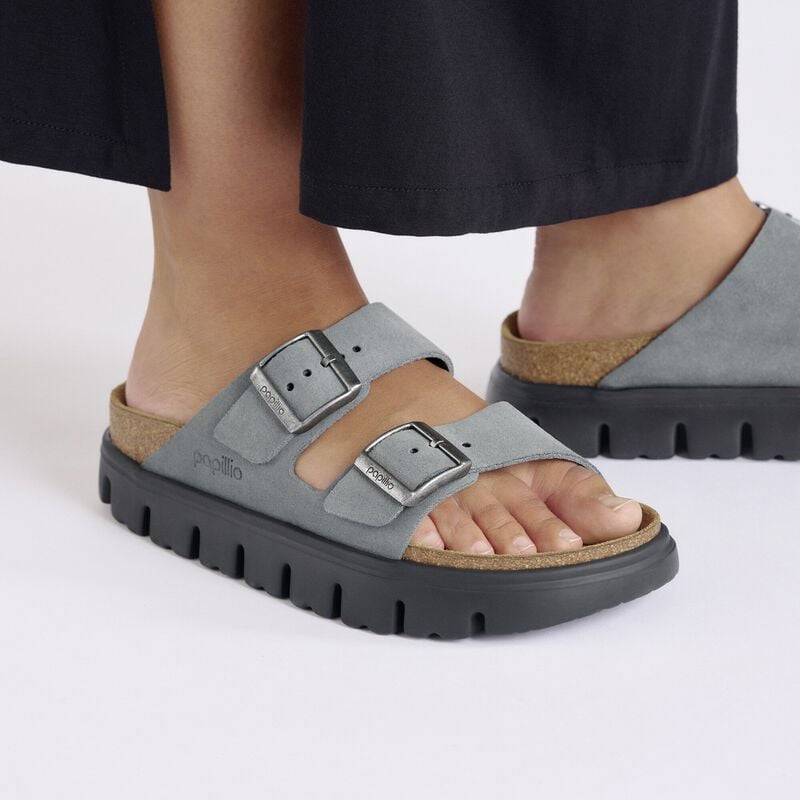
Can I wear them with socks? Yes, especially during break-in if you have sensitive skin. Socks can reduce friction and help the suede mold without causing blisters. Just make sure the straps are adjusted to accommodate the extra thickness.
How do I know if the straps are too tight? If you see indentations on your skin after removing the sandals, or if your feet feel numb or tingly, loosen them. The straps should feel secure but not constricting.
What if the arch feels too high? Give it a few days. The cork will compress slightly under your arch, and your foot will adapt. If after a week the arch still feels painful, you may need a different footbed style, but most people find the Arizona's arch support becomes comfortable after the break-in period.
Caring for Suede During Break-In
Suede leather is durable but requires a bit of care. During the first week, avoid wearing your Arizona sandals in wet conditions. Moisture can stiffen the suede and affect the cork footbed. If they get damp, let them air dry away from direct heat. Brush the suede occasionally with a soft brush to remove dust and restore nap. The Basalt Gray/ Black colorway hides dirt fairly well, but lighter colors like Light Rose or Baby Blue may show smudges more easily. A suede protector spray can help, but apply it before the first wear and let it dry completely.
Making the Arizona Chunky Part of Your Routine
After the first week, the BIRKENSTOCK Arizona Chunky Suede Leather becomes a reliable option for city streets, home floors, and weekend travel. The cork footbed will continue to mold over months, becoming even more comfortable. The chunky sole provides stability on uneven surfaces, and the suede straps conform to your feet. Whether you chose Basalt Gray/ Black or another color like Mauve, Taupe, or Pure Sage, the break-in process is a small investment for long-term comfort. Take it slow, adjust the straps, and let the cork do its job.
Remember that BIRKENSTOCK sizing is unique. If you are between sizes, choose the larger size for the Arizona, as your toes should not touch the front edge. The footbed is designed to allow your foot to spread naturally. With proper fit and a gradual break-in, these sandals will serve you well for many seasons.
View this BIRKENSTOCK style in the shop
People also search
BIRKENSTOCK footbed packed out when to replace
BIRKENSTOCK Arizona oiled leather darkens over time
BIRKENSTOCK Arizona vs Milano for ankle support
best BIRKENSTOCK sandals for standing all day at work
are backless BIRKENSTOCK clogs good for walking
BIRKENSTOCK cork latex footbed how long it lasts
how to store BIRKENSTOCK cork footbed between seasons
BIRKENSTOCK Milano ankle strap vs Arizona stability
best BIRKENSTOCK for backyard home and errands
BIRKENSTOCK sandals for plantar comfort walking
BIRKENSTOCK footbed technology cork and latex
BIRKENSTOCK wide width sandals for high volume feet
BIRKENSTOCK Arizona mocha vs dark brown
BIRKENSTOCK Arizona for summer walking all day
how often to replace BIRKENSTOCK cork footbed
BIRKENSTOCK soft footbed vs original footbed difference
how to stop heel slipping in BIRKENSTOCK Arizona
BIRKENSTOCK footbed sandals break-in no blisters
BIRKENSTOCK sandals for sightseeing Europe cobblestones
best color BIRKENSTOCK Arizona for everyday
how long to break in BIRKENSTOCK cork footbed
best BIRKENSTOCK for airport travel and long flights
BIRKENSTOCK Gizeh thong sandal vs Arizona two strap
BIRKENSTOCK Boston for office casual dress code
BIRKENSTOCK Gizeh regular vs platform
can you wear BIRKENSTOCK Boston in rain
BIRKENSTOCK Madrid vs Arizona for travel days
BIRKENSTOCK arch support sandals for sightseeing
best color for BIRKENSTOCK Arizona Chunky Suede Leather Basalt Gray/ Black Soft Sole everyday wear
BIRKENSTOCK suede vs nubuck which scuffs less
Trending BIRKENSTOCK searches
break-in cork footbed
BIRKENSTOCK oiled leather
BIRKENSTOCK city walking
thong sandal Gizeh
BIRKENSTOCK travel sandals
BIRKENSTOCK tobacco leather
BIRKENSTOCK cobblestone walking
BIRKENSTOCK last chance
BIRKENSTOCK new colors
BIRKENSTOCK Kyoto clog
BIRKENSTOCK platform Arizona
BIRKENSTOCK Gizeh
BIRKENSTOCK original footbed
Boston vs Kyoto
BIRKENSTOCK cork footbed
two strap sandal
BIRKENSTOCK vegan Birko-Flor
BIRKENSTOCK Boston clog
contoured cork-latex footbed
ankle strap Milano