



Function
BIRKENSTOCK Honnef City Naturleder/Textil Stone Coin/Charcoal Trail Easy: Einlaufen in der ersten Woche, Riemenpassform und Gehen auf harten Böden · BIRKENSTOCK Everyday Walk
Your First Week in the Honnef City: Cork, Straps, and Hard Floors
The BIRKENSTOCK Honnef City Natural Leather/Textile Stone Coin/Charcoal Trail Easy is a shoe that rewards a little patience. If you're used to sneakers with soft foam underfoot, the first few days might feel different. That's the cork footbed doing its job. This guide walks you through what happens during the first week, how to adjust the straps for a secure fit, and how the shoe behaves on hard surfaces like city sidewalks, kitchen tile, and office floors.
Before we get into the details, a quick note on color. The Honnef City comes in a range of options: Light Rose, Black/Black, Indigo Blue, Antique White, New Beige, Whale Gray / Stone Coin, Basalt Gray/Stone Coin, Faded Purple/Antique White, Pink Clay / Eggshell, Sandcastle/Lavender Sky, and the Stone Coin/Charcoal you see here. Each colorway uses the same Natural Leather/Textile blend, so the break-in process is consistent across the board.
What to Expect from the Cork Footbed in the First Week
The cork footbed is the heart of any BIRKENSTOCK. It's made from a mix of cork and latex, covered with a suede liner. When you first put on the Honnef City, the footbed will feel firm—maybe even a little unyielding. That's normal. Cork is a resilient material that responds to heat and pressure. As you wear the shoes, your body heat softens the cork slightly, and your weight creates impressions that match the shape of your feet.
Day one: Expect a firm surface. The arch support might feel pronounced, especially if you're coming from a flat shoe. The toe bar—that raised ridge near the front—will be noticeable. Don't fight it. Just walk naturally. The footbed is designed to encourage a healthy gait, but it takes a few hours for your feet to adapt.
Day two and three: The cork begins to warm and mold. You might feel slight pressure points along the arches or heels. This is the footbed starting to take your shape. If you can, wear the shoes for short periods—an hour or two at a time—and then switch to something else. This gives your feet a break and lets the cork cool and set.
Day four to seven: The footbed should start feeling more like it belongs to you. The suede liner will darken slightly where your feet rest, which is a sign of proper break-in. The arch support will feel less aggressive, and the toe bar will feel more like a natural guide than an obstacle. By the end of the week, you should notice that the shoes feel noticeably more comfortable than they did on day one.
One thing to keep in mind: the Honnef City uses a Natural Leather/Textile upper. Leather stretches slightly with wear, while textile holds its shape. This combination means the upper will give a little where you need it, but not so much that the shoe becomes sloppy. The cork footbed does the heavy lifting when it comes to long-term comfort.
Strap Fit: How to Get It Right
The Honnef City has a strap system that lets you adjust the fit across the instep and around the heel. Getting these straps right is key to enjoying the break-in period. Too loose, and your foot will slide around, causing friction and blisters. Too tight, and you'll restrict circulation and create pressure points.
Start with the instep strap. You want it snug enough that the shoe stays on your foot when you walk, but loose enough that you can slide a finger underneath. The leather will soften with wear, so it's better to start slightly looser and tighten as needed. If you have a high instep, you might need to let out the strap a notch or two. If you have a low instep, you might need to tighten it.
The heel strap should hold your heel in place without pinching. You should be able to slip your foot in and out without undoing the strap, but not so easily that your heel lifts with every step. Adjust the strap so that your heel stays put, but you don't feel pressure on the Achilles tendon.
During the first week, check the straps daily. As the leather softens and the footbed molds, your fit may change. You might find that you need to tighten the instep strap after a few days, or loosen the heel strap. This is normal. The goal is a secure, comfortable fit that doesn't require constant fiddling.
If you're between sizes, remember that BIRKENSTOCK offers narrow and regular widths. The Honnef City is available in both. A proper width fit ensures that your foot sits correctly in the footbed, which is essential for the cork to mold effectively. If the shoe feels too tight across the ball of your foot, try the next width up.
Walking on Hard Floors: What to Know
Hard floors—concrete, tile, hardwood, and pavement—are unforgiving. They send shockwaves up through your legs with every step. The Honnef City's cork footbed and rubber outsole are designed to absorb some of that impact, but they're not magic. The first week on hard floors will test your patience.
Start with short walks. If you're used to cushioned sneakers, your feet and legs need time to adjust to a firmer ride. Walk around the block, then come home. The next day, go a little farther. Your muscles will adapt, and the footbed will continue to mold.
Pay attention to your stride. The cork footbed encourages a more natural walking motion, with a heel-to-toe transition that engages your foot muscles. On hard floors, this can feel strange at first. You might notice that your calves or arches are working harder than usual. That's a sign that your feet are waking up. It's not a bad thing, but it's something to be aware of.
If you'll be standing on hard floors for long periods—say, in a kitchen or a retail job—consider adding a little extra support. The Honnef City's footbed is supportive, but you might want to alternate with another pair of shoes to give your feet a break. Over time, the cork will compress and conform, and the shoe will feel more forgiving.
On city streets, watch out for uneven surfaces. The Honnef City has a Trail Easy outsole, which offers decent traction, but it's not a hiking boot. The rubber compound is sticky enough for wet pavement, but you should still be careful on slick surfaces. The textile panels on the upper breathe well, which is a plus in warm weather, but they won't keep your feet dry in a downpour.
Color Options and Material Notes
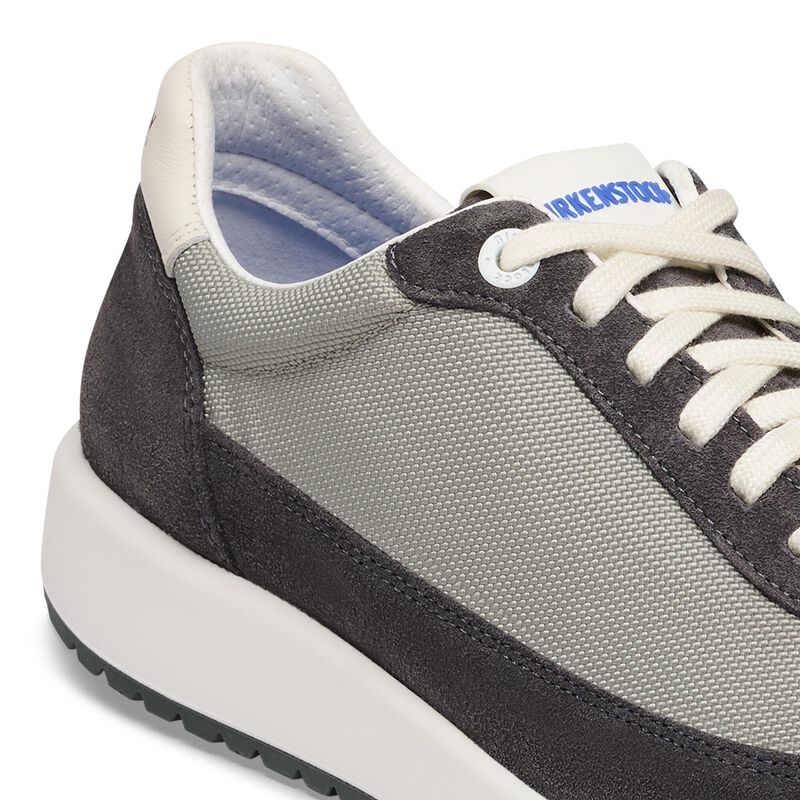
The Honnef City Natural Leather/Textile comes in a variety of colors to suit different tastes. Light Rose is a soft, subtle pink that works well with light denim. Black/Black is classic and understated. Indigo Blue is a deep, rich blue that pairs nicely with neutral tones. Antique White is a creamy off-white that shows dirt a bit more than darker colors, but it's easy to clean with a damp cloth.
New Beige is a warm, sandy neutral. Whale Gray / Stone Coin combines a cool gray with a lighter stone coin accent. Basalt Gray/Stone Coin is similar but darker, with a more grounded feel. Faded Purple/Antique White offers a muted purple with a contrasting white. Pink Clay / Eggshell is a soft, earthy pink with a light eggshell base. Sandcastle/Lavender Sky is a playful mix of tan and light purple. And Stone Coin/Charcoal, the colorway featured here, is a versatile blend of gray and dark charcoal that works with almost anything.
The Natural Leather/Textile upper means you get the best of both worlds: leather's durability and ability to mold to your foot, and textile's breathability and lightweight feel. The leather panels are typically found on the straps and high-wear areas, while the textile covers the main body of the shoe. This combination keeps the shoe comfortable in a range of temperatures.
To clean the leather, use a damp cloth and a mild leather cleaner. For the textile, a soft brush or a damp cloth works well. Avoid soaking the shoes or putting them in the washing machine. The cork footbed should not get wet; if it does, let it air dry away from direct heat.
Break-In Tips for the First Week
Here are a few practical tips to make your first week with the Honnef City as smooth as possible:
1. Wear them around the house first. This lets you break them in on a clean, soft surface and gives you a chance to adjust the straps without pressure.
2. Wear them for short periods. Start with 30 minutes, then increase gradually. This gives the cork time to mold and your feet time to adapt.
3. Use socks. Thin socks can reduce friction during the initial break-in, especially if you're prone to blisters.
4. Check the straps daily. As the leather softens, you may need to readjust for a secure fit.
5. Be patient. The first week is the hardest. After that, the footbed will feel like it was made for you.
6. Avoid long walks on the first day. Give your feet a chance to get used to the firmer footbed.
7. If you feel pain, stop. Discomfort is normal, but sharp pain is not. Listen to your body.
How the Honnef City Compares to Other BIRKENSTOCK Styles
If you're familiar with the Arizona, Boston, or Madrid, you know the drill: cork footbed, adjustable straps, and a break-in period. The Honnef City shares the same DNA but with a closed-toe design and a more urban aesthetic. The Arizona is a two-strap sandal, the Boston is a clog, and the Madrid is a single-strap sandal. The Honnef City is a lace-up shoe that offers more coverage and a different fit experience.
The cork footbed in the Honnef City is the same quality you'll find in other BIRKENSTOCK models. It's anatomically shaped and designed to support your foot's natural contours. The main difference is the upper. The Natural Leather/Textile blend gives the Honnef City a distinct look and feel that's more casual than a full leather shoe but more structured than a canvas sneaker.
If you've worn Birko-Flor in the past, you'll notice that the Natural Leather/Textile upper feels softer and more pliable from the start. Birko-Flor is a synthetic material that's durable and easy to clean, but it doesn't mold to your foot the way leather does. The Honnef City's leather panels will stretch and conform to your foot over time, while the textile panels keep the shoe breathable.
Final Thoughts: What to Expect After the First Week
After the first week, the Honnef City should feel noticeably more comfortable. The cork footbed will have started to mold to your feet, the leather straps will have softened, and your walking stride will have adapted to the firmer support. You might still notice the arch support and toe bar, but they should feel less intrusive.
By the end of the first month, the footbed will be fully broken in, and the shoe will feel like a second skin. The suede liner will show signs of wear, which is normal and a sign that the footbed is working. The outsole will show some scuffing, but the rubber is durable and should last a long time with normal use.
Remember that the Honnef City is a city shoe, not a trail runner. It's designed for everyday walking on pavement, at home, and on weekend trips. With proper care and a little patience during the break-in period, it will serve you well for many miles.
So if you're ready to put in the first week, the Honnef City Natural Leather/Textile Stone Coin/Charcoal Trail Easy is a solid choice. Adjust the straps, take short walks, and let the cork do its thing. Your feet will thank you.
View this BIRKENSTOCK style in the shop
People also search
BIRKENSTOCK Honnef City Natural Leather/Textile Stone Coin/Charcoal Trail Easy vs Arizona for walking
BIRKENSTOCK Arizona metallic vs classic leather
BIRKENSTOCK footbed sandals break-in no blisters
are BIRKENSTOCK cork footbed sandals good for all-day walking
BIRKENSTOCK Arizona vs Boston which is better for walking
BIRKENSTOCK soft footbed vs original footbed difference
BIRKENSTOCK Mayari toe loop vs Gizeh fit
BIRKENSTOCK Arizona white vs black everyday wear
are BIRKENSTOCK sandals good for cobblestone city streets
BIRKENSTOCK Gizeh thong sandal vs Arizona two strap
BIRKENSTOCK Boston vs Milano which for commute
BIRKENSTOCK Arizona for men first pair guide
BIRKENSTOCK sandals for plantar comfort walking
how to know BIRKENSTOCK size from foot length
can you wear BIRKENSTOCK Boston in rain
BIRKENSTOCK footbed packed out when to replace
do BIRKENSTOCK sandals run small or large
best BIRKENSTOCK for weekend travel packing
BIRKENSTOCK sandals waterproof options EVA
BIRKENSTOCK sizing guide regular vs wide width
best BIRKENSTOCK for airport travel and long flights
BIRKENSTOCK Arizona mink vs tobacco oiled leather
BIRKENSTOCK Boston shearling vs regular Boston
are BIRKENSTOCK good for standing cooking at home
BIRKENSTOCK Arizona oiled leather darkens over time
BIRKENSTOCK Arizona vegan Birko-Flor vs leather
BIRKENSTOCK Arizona Big Buckle vs classic Arizona
BIRKENSTOCK footbed technology cork and latex
BIRKENSTOCK Milano ankle strap vs Arizona stability
BIRKENSTOCK oiled leather clog care rain and commute
Trending BIRKENSTOCK searches
BIRKENSTOCK Mayari
thong sandal Gizeh
Arizona vs Madrid
contoured cork-latex footbed
all day walking sandals
BIRKENSTOCK mink oiled leather
BIRKENSTOCK Kyoto clog
BIRKENSTOCK travel sandals
regular vs wide BIRKENSTOCK
BIRKENSTOCK new colors
Arizona vs Boston
BIRKENSTOCK wide width
ankle strap Milano
BIRKENSTOCK Madrid sandal
BIRKENSTOCK Gizeh
Boston vs Kyoto
BIRKENSTOCK stone Arizona
break-in cork footbed
BIRKENSTOCK cork footbed
BIRKENSTOCK Big Buckle