



Function
Arizona Natural Leather Black Emboss Walk Edit: Erste Woche Korkeinlaufen und Riemenanpassung | BIRKENSTOCK Everyday Walk
Start Here: What the First Week Really Feels Like
You just unboxed the Arizona Natural Leather Black Emboss Walk Edit. The leather upper looks sharp, the cork footbed is firm, and the straps sit exactly where they should—maybe a touch snug. That's normal. The first week is not about instant cloud-like softness; it's about the cork footbed starting to respond to your stride. Think of it as a conversation between your feet and the sandal. Day one, the footbed is at its firmest. By day seven, you'll notice subtle depressions forming under your heel and the ball of your foot. That's the cork beginning to mold. Don't rush it. Wear them for an hour or two around the house, then take them outside. The black emboss leather is already flexible, so the main break-in happens underfoot, not across the top. If you're used to foam sneakers, give yourself three or four days to adjust. The payoff is a footbed that supports your arch instead of flattening out.
Strap Fit: How Tight Is Too Tight?
The Arizona has two adjustable straps, and getting them right changes everything. When you first put them on, your instinct might be to cinch them down so your foot doesn't slide. Resist that. The leather will soften and stretch slightly with wear, so you want a snug fit that still lets you slide a finger under each strap. For the front strap, aim for even pressure across the top of your foot—no pinching, no gaping. The back strap should hold your heel without digging in. If you have a wider foot, start with both straps on the loosest hole and tighten as the leather relaxes. Narrower feet might need to punch an extra hole, but give it a week before you do. Remember, the cork footbed will also compress slightly, which gives your foot a little more room. Walk around the block a few times, then readjust. The goal is a fit that feels secure but not restrictive, so your toes can flex naturally with each step.
Walking on Hard Floors: What to Expect
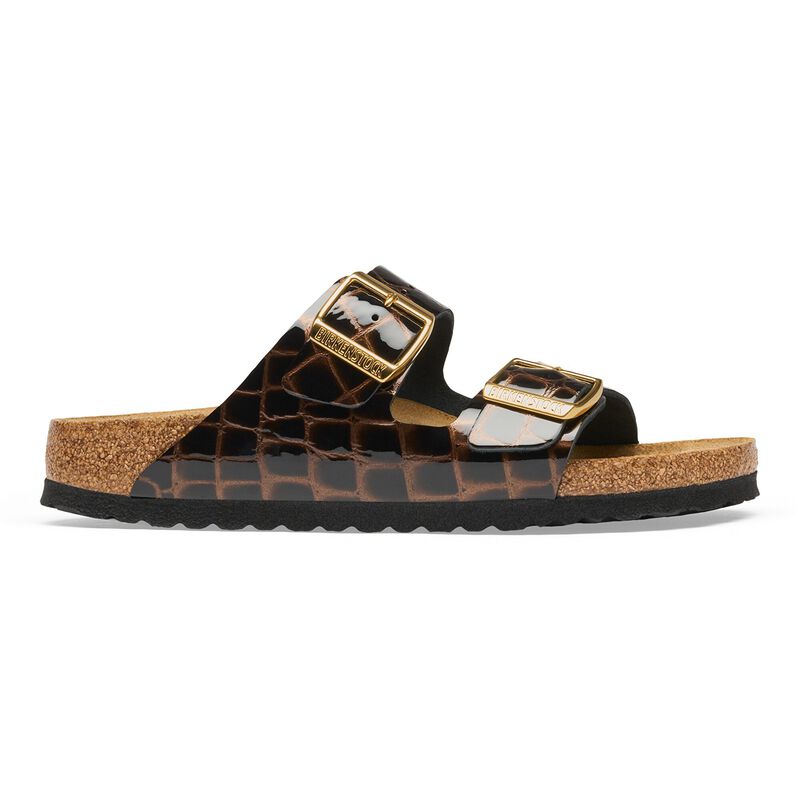
City sidewalks, grocery store tile, museum concrete—hard surfaces are where the Arizona's cork footbed proves its worth. At first, the firmness might feel surprising if you're used to cushioned soles. But that firmness is what gives you stability. The cork and latex footbed absorbs impact without bottoming out, and the raised arch keeps your foot aligned. On day one, stick to short walks. Your feet are adapting to a new proprioceptive input, and your calves might feel it. By day three, you'll notice the footbed starting to yield under your heel, creating a small cup that holds your foot in place. On hard floors, that means less sliding and less fatigue. The black emboss leather upper is breathable enough for indoor wear, so these work as house shoes too—especially if you stand at a kitchen counter or desk for hours. For weekend travel, they pack flat and handle airport terminals and hotel hallways without complaint. Just avoid wearing them for a full day of standing on day one. Break them in gradually, and they'll become the pair you reach for when you know you'll be on your feet.
Why the Cork Footbed Changes Everything
BIRKENSTOCK's cork footbed is the heart of the Arizona. It's made from a mix of cork and latex, which is why it starts firm and gradually molds to your foot's unique shape. During the first week, you're essentially training the footbed. The heat from your foot softens the latex slightly, and the cork particles shift to fill in the gaps under your arch and heel. This is why no two pairs feel exactly the same after a month. The footbed also has a suede lining that wicks moisture and adds a layer of softness. On hard floors, the cork acts as a shock absorber, but it's not a marshmallow. It's supportive. If you have flat feet or high arches, you'll feel the difference—the footbed encourages a more natural gait. Give it time. Some people notice the molding after a few days; others need two weeks. Either way, don't judge the comfort until you've logged at least ten hours of wear. The black emboss leather upper is pre-softened, so it won't fight you while the footbed does its job.
Leather That Works With You, Not Against You
The Natural Leather Black Emboss upper is a step up from Birko-Flor in terms of breathability and long-term fit. It's smooth, with a subtle embossed texture that hides scuffs well. In the first week, the leather might feel slightly stiff across the instep, but it warms up quickly. Unlike synthetic materials, leather adapts to the shape of your foot, creating a custom fit over time. That means the straps will feel more comfortable after a few wears, not less. To speed up the process, wear them for short periods and flex your toes. Avoid getting them soaked—if they get wet, let them air dry away from direct heat. A little leather conditioner after the first month can keep them supple, but it's not necessary right away. The black color goes with everything, from jeans to joggers, and the embossed finish gives them a bit of polish for casual Fridays or weekend brunch. Just remember: leather stretches, so don't over-tighten the straps on day one.
Width and Sizing: Get It Right the First Time
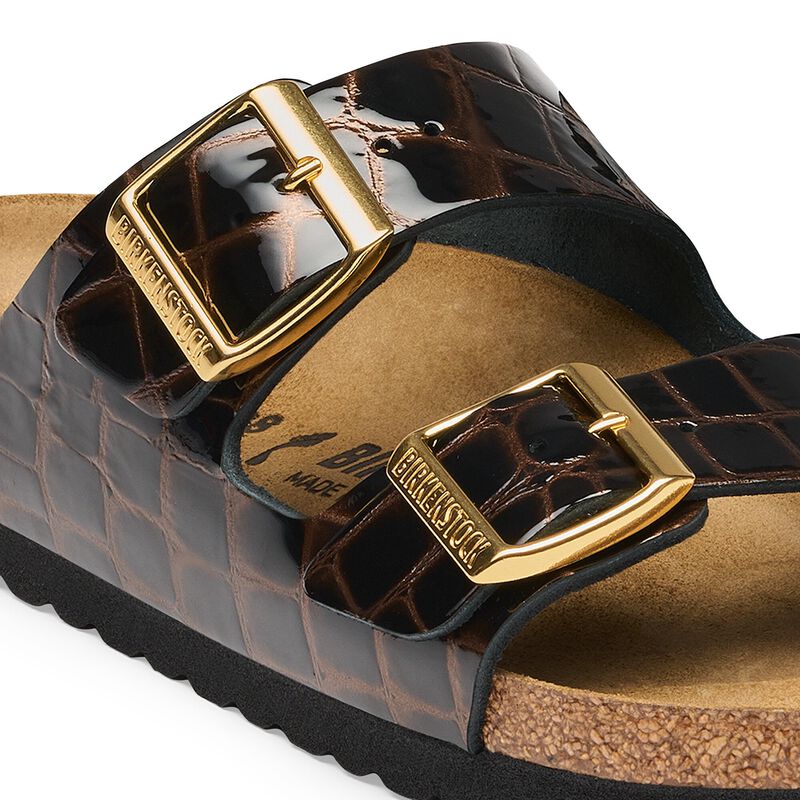
BIRKENSTOCK offers two width options: narrow and regular. The Arizona Natural Leather Black Emboss Walk Edit comes in regular width, which fits most medium to wide feet. If you're between sizes, go with the larger size—your toes should have about a quarter-inch of space in front of the footbed. The cork footbed will mold to your foot, but it won't get longer. Also, keep in mind that the footbed has a slight toe bar and heel cup. At first, these might feel prominent, especially if you're used to flat shoes. That's intentional. They help your toes grip and your heel stay centered. During the first week, you might notice pressure points under your arch or along the outer edge. That's usually a sign that the footbed is starting to mold. If the pressure is sharp or persistent, check your strap tension—over-tightening can exaggerate those sensations. For hard floor walking, a proper fit means your foot doesn't slide forward, which keeps your toes from jammin' into the front edge.
Break-In Schedule: A Simple Plan for Week One
Day 1: Wear them indoors for 30 minutes. Walk on carpet or a rug to get used to the footbed. Day 2: 45 minutes indoors, including some time on tile or hardwood. Pay attention to how the arch feels. Day 3: Take a short walk outside—10 to 15 minutes on pavement. Day 4: Rest or wear them for another indoor session. Day 5: A longer outdoor walk, maybe 20 minutes. Day 6: Wear them for a quick errand or a coffee run. Day 7: By now, you should feel the footbed starting to give under your heel and the ball of your foot. If anything feels painful, back off and give it another day. The key is consistency, not duration. Short, frequent wears work better than one long marathon. And remember, the leather straps will also soften, so check the fit each time you put them on. By the end of the week, you'll have a pair that feels like it was made for you—because in a way, it was.
Hard Floors, Long Days: Making Them Work
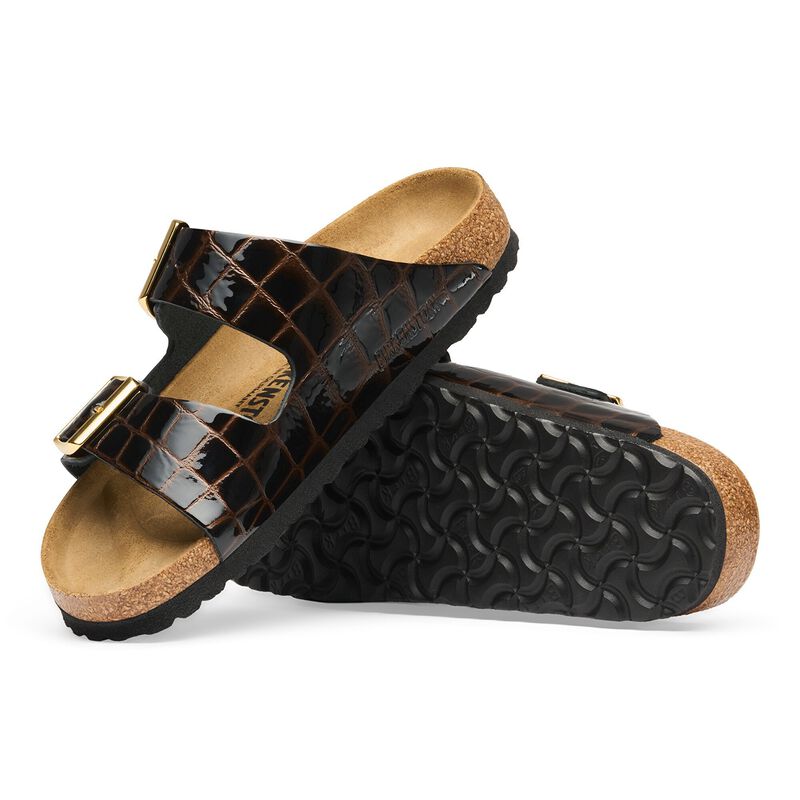
If your day involves standing on concrete or tile—think retail, nursing, or cooking—the Arizona can handle it, but you need to be smart. The cork footbed provides firm support, but it's not a replacement for a dedicated work shoe if you're on your feet for 12 hours straight. For 4 to 6 hours, though, they're great. The key is to alternate them with another pair every other day during the first week, so the footbed has time to recover and you don't overload your feet. Also, consider adding a thin sock if you're prone to blisters. The leather upper will eventually soften, but a sock can help during the break-in phase. On weekends, these are ideal for travel because they slip on and off easily at security and feel comfortable on long walks through new cities. Just don't expect them to be broken in before you leave—start the process at home. The black emboss leather looks smart enough for casual dinners, so you can pack light and still have a versatile shoe.
Care and Maintenance for the First Month
During the first week, keep them dry. If they get caught in the rain, blot them with a towel and let them air dry at room temperature. Never put them near a radiator or in direct sun—that can crack the cork. The suede footbed lining can be brushed gently with a soft brush to remove debris. If the leather upper looks dry, a tiny amount of leather conditioner can help, but wait until after the first week so you don't interfere with the molding process. The cork footbed itself doesn't need any product; it's self-maintaining as long as you keep it dry. For odors, a little baking soda sprinkled in and left overnight works wonders. And if the straps start to feel loose after a few weeks, you can always punch an extra hole—but give it a month before you do. The leather will stretch a bit, so what feels snug on day one might be perfect by day thirty. These sandals are built to last, and a little care in the beginning pays off in comfort later.
Final Thoughts: Trust the Process
The Arizona Natural Leather Black Emboss Walk Edit is not a plug-and-play sandal. It asks for a week of patience, and in return, it gives you a footbed that supports you like a custom orthotic. The first week is about small adjustments: strap tension, wear time, and surface variety. Don't be discouraged if they feel firm at first. That's the cork doing its job. By the end of the week, you'll feel the difference—a slight cradle under your heel, a gentle lift under your arch, and a upper that moves with your foot instead of against it. Whether you're walking city streets, standing on hard floors at home, or navigating a weekend trip, these sandals are ready to go the distance. Just remember: break them in slowly, keep the straps honest, and let the cork do the rest. Your feet will thank you.
View this BIRKENSTOCK style in the shop
People also search
is BIRKENSTOCK Arizona Natural Leather Black Emboss Walk Edit true to size
BIRKENSTOCK EVA sandals for beach and pool
best BIRKENSTOCK for backyard home and errands
best color BIRKENSTOCK Arizona for everyday
are backless BIRKENSTOCK clogs good for walking
BIRKENSTOCK sandals waterproof options EVA
BIRKENSTOCK Arizona Natural Leather Black Emboss Walk Edit sizing and width fit
BIRKENSTOCK Madrid big buckle trend 2026
BIRKENSTOCK sizing EU to US conversion chart
BIRKENSTOCK sandals for nurses and long shifts
are BIRKENSTOCK sandals good for cobblestone city streets
BIRKENSTOCK Arizona two strap too loose how to tighten
BIRKENSTOCK Boston break in time first week
BIRKENSTOCK soft footbed vs original footbed difference
BIRKENSTOCK Arizona midnight vs black oiled leather
BIRKENSTOCK cork footbed squeak how to fix
BIRKENSTOCK cork latex footbed how long it lasts
BIRKENSTOCK arch support sandals for sightseeing
BIRKENSTOCK men women unisex sizing how to choose
BIRKENSTOCK Arizona metallic vs classic leather
BIRKENSTOCK Arizona vs Boston which is better for walking
BIRKENSTOCK Arizona vs Super-Birki garden clog
BIRKENSTOCK footbed technology cork and latex
how often to replace BIRKENSTOCK cork footbed
BIRKENSTOCK Arizona Big Buckle vs classic Arizona
BIRKENSTOCK Arizona for men first pair guide
BIRKENSTOCK sandals for plantar comfort walking
BIRKENSTOCK Kyoto vs Boston clog comparison
BIRKENSTOCK Arizona Natural Leather Black Emboss Walk Edit vs Arizona for walking
BIRKENSTOCK footbed packed out when to replace
Trending BIRKENSTOCK searches
break-in cork footbed
BIRKENSTOCK Big Buckle
Arizona vs Madrid
BIRKENSTOCK taupe suede
BIRKENSTOCK shearling Boston
BIRKENSTOCK for work standing
BIRKENSTOCK Arizona Natural Leather Black Emboss Walk Edit
summer BIRKENSTOCK outfits
BIRKENSTOCK new colors
BIRKENSTOCK soft footbed
BIRKENSTOCK Kyoto clog
BIRKENSTOCK unisex sizing
Boston vs Kyoto
BIRKENSTOCK platform Arizona
BIRKENSTOCK Madrid sandal
BIRKENSTOCK black Arizona
BIRKENSTOCK airport shoes
Arizona Natural Leather Black Emboss Walk Edit cork footbed
BIRKENSTOCK Gizeh
BIRKENSTOCK oiled leather